The Biggest challenge for Public Health Experts and
Senior Decision makers in combatting
Vector Borne Diseases is not the lack of resources or
manpower, but it is simply the sheer inability to carry out
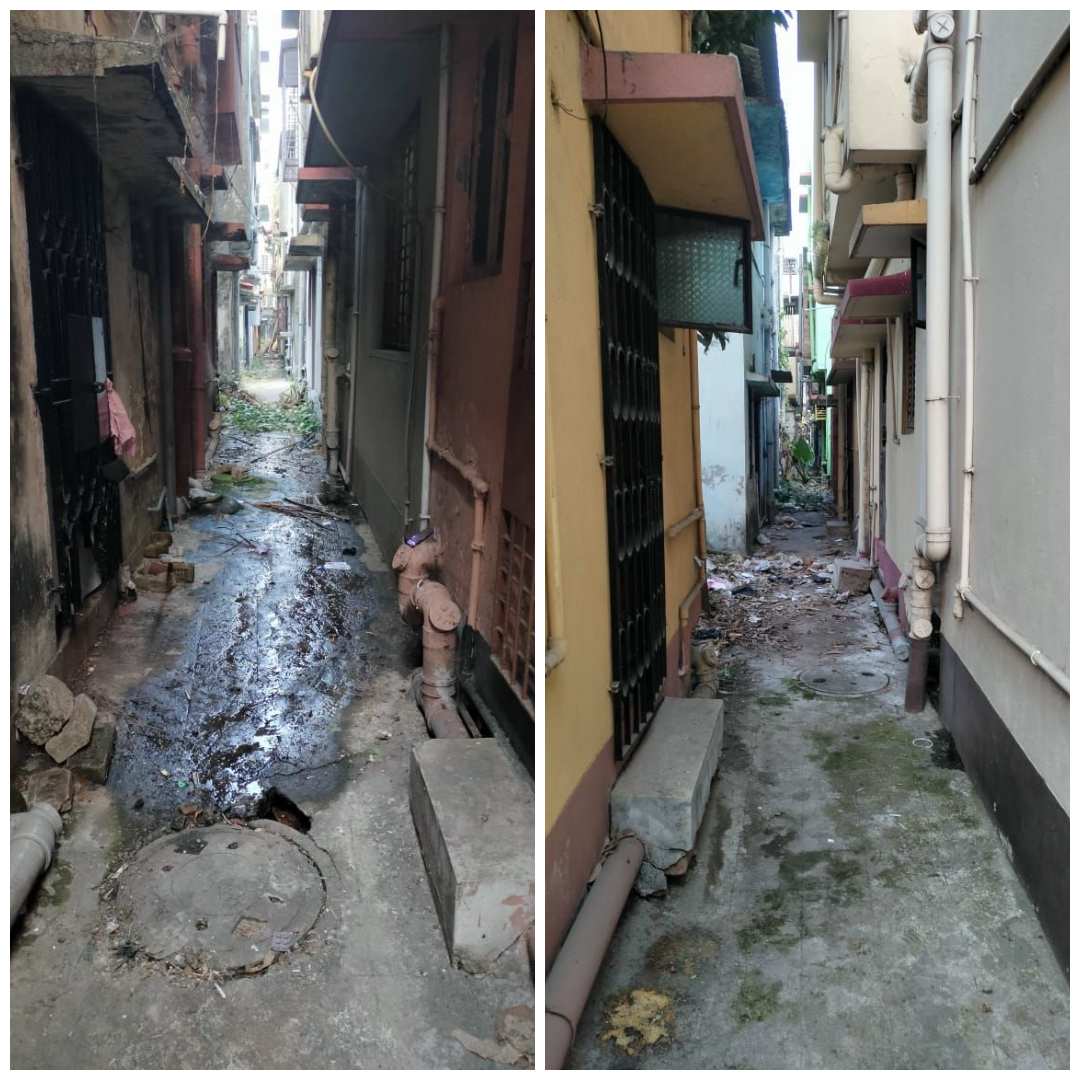
any kind of corrective action on Inaccessible areas which are hotspots for larval breeding. Even WHO talks about effective Larval Source Management and Round the year surveillance for effective control but then how do you deal with places in any city or Block or Ward where you simply can’t reach? It has been found that these Inaccessible places contribute to almost 50% plus of the disease
burden as it may be logical enough to construe that most
of the accessible places have received some kind of
corrective action by the ULB field level team. Hence the
question is why does the graph keep rising every season every year be it rain or no? The answer is NULL treatment towards these inaccessible breeding hotspots. The
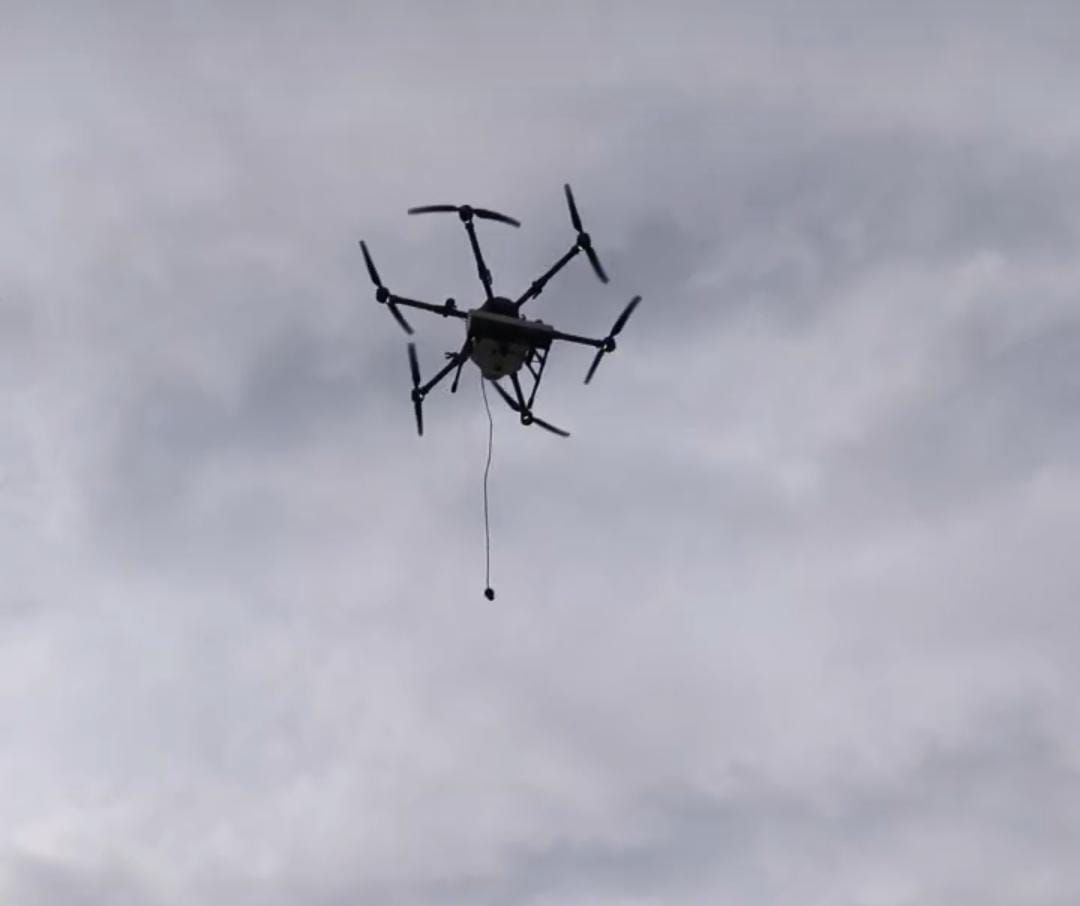
solution is Spraying drones which can easily reach these
inaccessible places and carry out intensive spraying
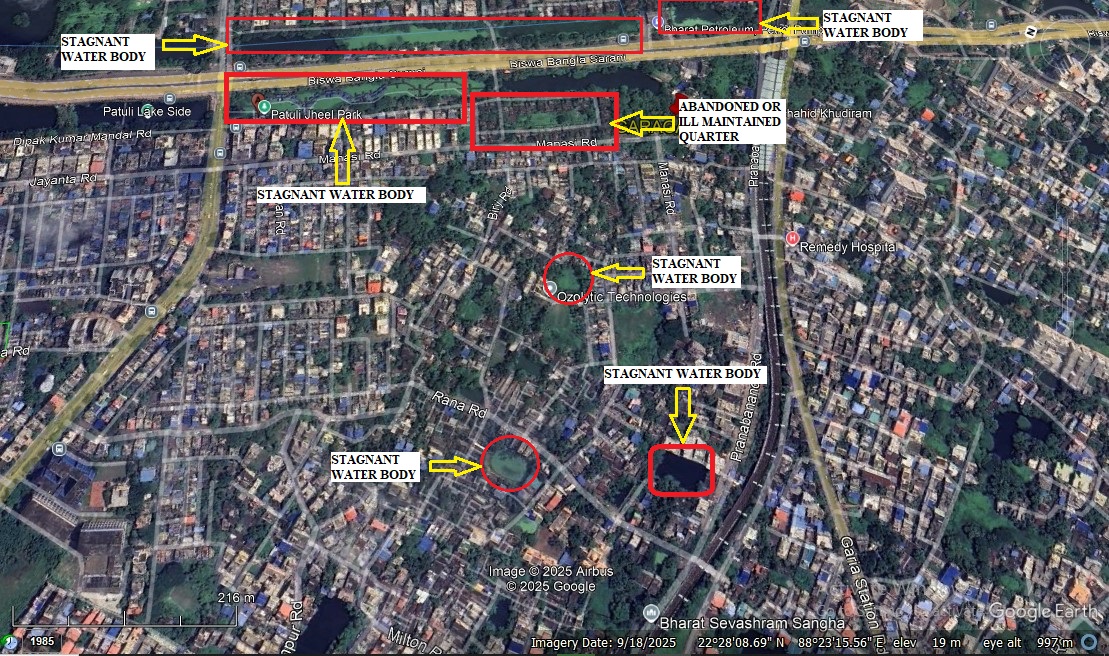
thereby resulting in almost 95% larval mortality. The next question is so how do you validate 95% mortality? Well, if you have smart dipsticks that is 12 feet long and fitted with a calibrated collection beaker one can easily collect the samples and off course with a little bit of risk and extra human effort some of the corners can be reached. Every time, our count says that the Pre and Post larval count density has never remained below 95%. So, is this the right time for the Health Department to include Drone solutions as a standard SOP? Well, more effort and time will say. For the moment we carry on with our work. The Image attached provides a simple illustration of the
number and size of these inaccessible places that this post talks about.